
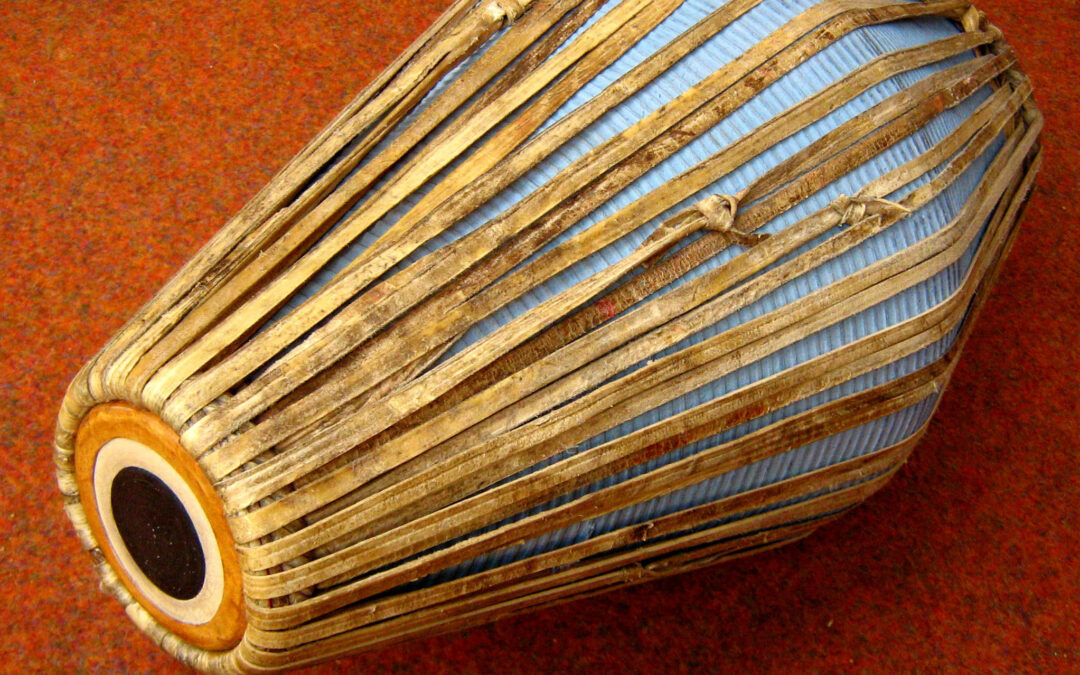
Among the many sacred instruments of India, the mridanga holds a special place as the timeless companion of kirtan—the devotional practice of singing the names of the Divine in a communal, often ecstatic setting. With its vibrant tones and deep cultural roots, the mridanga is far more than a percussion instrument. It is a carrier of tradition, a vessel of devotion, and the very pulse of bhakti (devotional) music. If you’ve ever wanted to learn this beautiful instrument, our Free Mridanga Course offers the perfect opportunity to begin your journey into rhythm and devotion.
The Sound of Devotion
In kirtan, the mridanga provides the essential rhythmic structure that drives the music forward. Its distinct combination of bass and treble tones complements the melodious singing and harmonium, creating a powerful and uplifting soundscape. Especially in Vaishnava traditions, such as those followed by followers of Sri Chaitanya Mahaprabhu, the mridanga is considered indispensable.
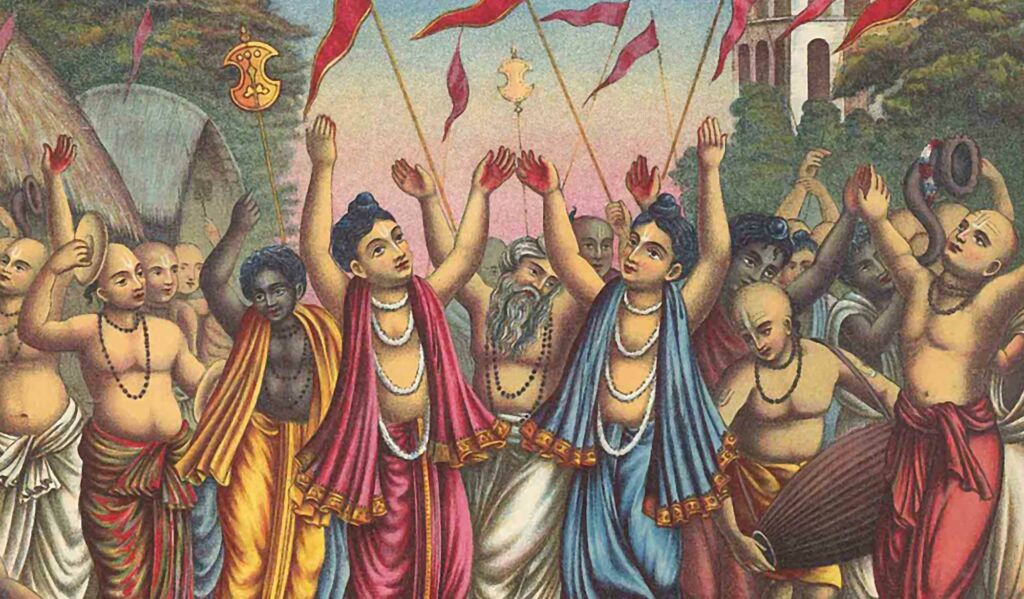
When the mridanga is played with heart and skill, it does more than keep time—it stirs the soul. The drumbeat guides the energy of the kirtan, allowing singers and participants to lose themselves in the joy of divine remembrance.
Ancient Origins of the Mridanga
The word mridanga comes from Sanskrit—mrid meaning “clay” and anga meaning “body” or “limb”—a fitting name, as the traditional mridanga is made from clay. Its history stretches back thousands of years and it is featured in ancient Indian art, sculpture, and scripture. Some of the earliest depictions of the drum can be found in temple carvings, where celestial musicians are shown playing it in service of the Divine.
While similar to the pakhawaj—a classical North Indian drum—the mridanga used in kirtan, especially in Bengal and Odisha, is designed to be more lightweight, with a slightly sharper and more resonant tone. This makes it ideal for devotional gatherings, processions, and street kirtans.
Crafted with Care
The mridanga is traditionally handcrafted in various parts of eastern India, especially in West Bengal, Odisha, and Manipur. These regions are rich in devotional culture and boast generations of artisans who specialise in making this sacred instrument.
One of the most renowned centres of mridanga-making is Nabadwip, West Bengal—an important town in the Gaudiya Vaishnava tradition. Here, clay mridangas are still lovingly made by hand, with each step of the process treated as a form of worship. Animal skin is stretched and layered over the drum heads, and tuning is achieved with a paste applied to the treble side. Today, modern versions made from fibreglass are also widely used for durability, particularly in international settings.
Played Across the World
Although deeply rooted in Indian tradition, the mridanga is now played and celebrated across the globe. Thanks to the international spread of the Hare Krishna movement and other devotional communities, kirtan and the mridanga have found audiences far beyond the Indian subcontinent.
From the streets of Dublin to the banks of the Ganges, the sound of the mridanga can be heard leading processions, enlivening festivals, and bringing people together in spiritual unity.
A Drum with a Soul
In many devotional circles, the mridanga is revered as more than just a musical instrument. It is treated with care and even worshipped in some traditions. It is believed that sincere playing of the mridanga pleases the Divine and amplifies the spiritual potency of kirtan.
Its rhythms are said to echo in the hearts of devotees long after the kirtan has ended—a reminder of divine joy, of community, and of ancient traditions that still thrive in the modern world.
Ready to learn by using our Free Mridanga Course?
Whether you’re completely new or looking to deepen your rhythm in kirtan, our free online Mridanga course is the perfect place to begin. Designed to guide you step-by-step, this course will help you build a strong foundation in technique, timing, and devotion—all at your own pace. Ready to get started? GO TO LESSON 1, LESSON 2, LESSON 3, LESSON 4, LESSON 5, LESSON 6, LESSON 7, LESSON 8, LESSON 9, LESSON 10, LESSON 11, LESSON 12, LESSON 13,