Mridanga class #6 – Combined bols
In mridanga playing, combined bols like dha, dhin, ta, and kat create expressive, structured rhythms. These strokes blend two sounds for richer texture and dynamic phrasing. Mastering them is essential for progressing beyond the basics.
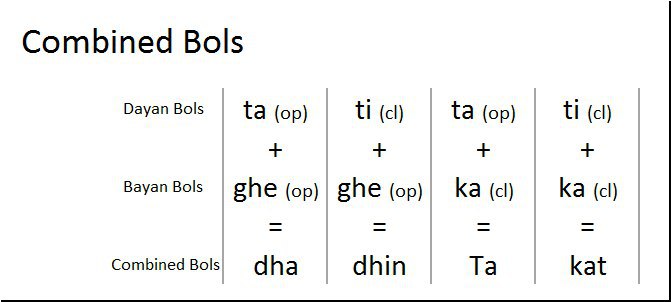
Dha combines ghe (deep bass) and ta (sharp treble), creating a full, standout sound. It’s often used to start cycles or highlight key beats, symbolising balance and unity in rhythm.
Dhin uses ghe and ti, producing a crisper, lighter tone than dha. It’s ideal for softer, expressive variations while retaining depth and adding finesse to phrasing.
Ta mixes ka (muted left-hand stroke) with ta, giving a sharp, punchy sound—great for fast runs. Kat pairs ka with ti, offering a softer, more delicate touch for subtle embellishments.
By combining and alternating these bols, mridanga players can create a rich palette of rhythms, transitioning seamlessly between strong accents and softer flourishes. These composite bols are not just technical strokes—they’re expressive tools, enabling the mridanga to speak a rhythmic language that supports melody, enhances mood, and energises devotional performance.