
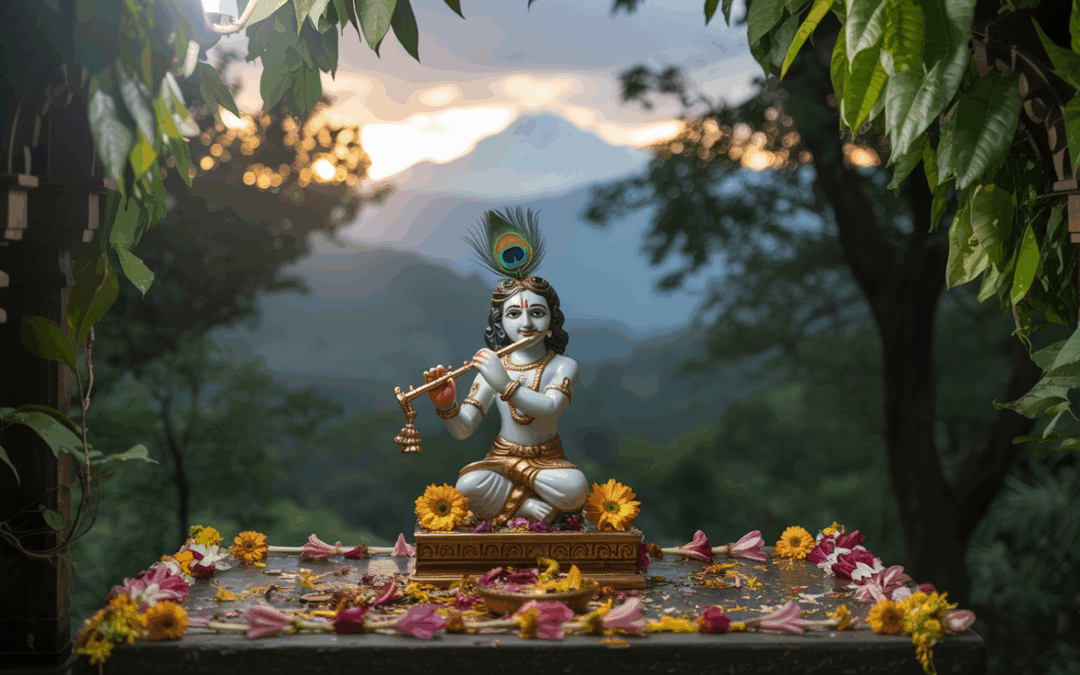
In a world shaped by global exchange and diverse beliefs, Sanatana Dharma is receiving renewed attention. It is often equated with Hinduism, but this ancient tradition offers far more than a religious label. Sanatana Dharma is a deep and expansive way of life rooted in timeless principles. What does it truly mean, and why does it still matter today?
The Meaning of Sanatana Dharma
Sanatana means eternal or timeless. Dharma can be understood as duty, natural law, or righteous living. Together, Sanatana Dharma refers to the eternal path that sustains both the universe and human life.
Unlike many religions that revolve around a specific founder or doctrine, it evolves continuously. It is not bound by time or location. Its core lies in seeking harmony with nature, discovering the self, and pursuing truth.
Not Just Religion, But a Way of Life
Sanatana Dharma is more than a system of belief. It offers a way of life centred on how we live, not just what we believe. It encourages people to act with compassion, integrity, non-violence, and discipline.
Key principles include karma (cause and effect), dharma (right conduct), moksha (liberation), and reincarnation. These ideas promote responsibility and inner growth, offering tools for both daily living and spiritual progress.
Origins and Scriptures
The roots of Sanatana Dharma lie in the Vedas, the world’s oldest known scriptures. Sages received these revelations through meditation thousands of years ago. Rather than claiming exclusivity, these texts share universal knowledge with seekers of truth.
Later writings, such as the Upaniṣads, Bhagavad Gītā, Rāmāyaṇa, and Mahābhārata, explore these ideas further. They present spiritual insights through philosophy, dialogue, and storytelling. These texts continue to inspire people today.
Universal Relevance
Sanatana Dharma welcomes everyone, regardless of background. It doesn’t require conversion or allegiance to one belief system. People with different personalities and interests can follow different paths—devotion, knowledge, service, or meditation.
It encourages questioning, reflection, and open-mindedness. A verse from the Ṛig Veda says, “Truth is one, sages call it by various names.” This captures the inclusive and pluralistic nature of Sanatana Dharma.
Contemporary Relevance
Modern life often feels rushed, disconnected, and uncertain. It provides guidance for finding balance and purpose. It teaches respect for all living beings, care for the planet, and awareness of the self.
These values are not outdated. They remain relevant in times of environmental concern, social division, and personal stress. By applying them, individuals and communities can build more compassionate and conscious lives.
A summary on Sanatana Dharma
Sanatana Dharma is not just an ancient idea—it is a living path that speaks to the heart of human experience. It encourages people to seek truth, live with awareness, and find harmony with the world around them.
Whether someone identifies as Hindu or not, the principles of this truth are open to all. By embracing its teachings, we connect with something deeper than culture or religion: a timeless guide for living with wisdom and purpose.