
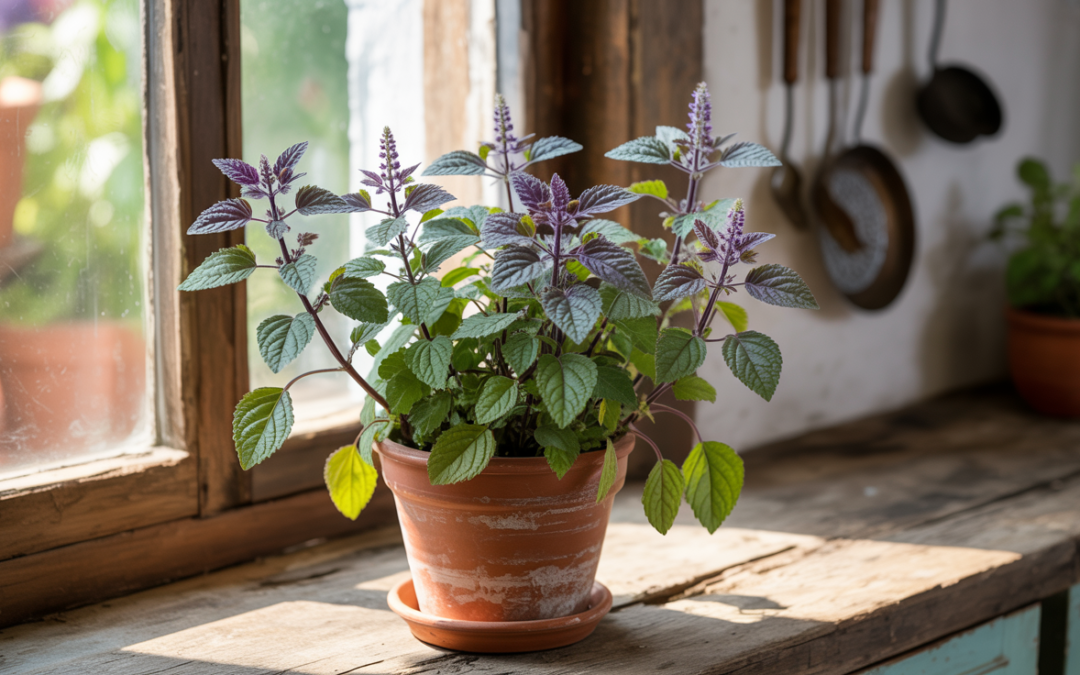
In many Hindu homes, a graceful green plant sits in a special pot or shrine. This is Tulsi, also known as Holy Basil. She holds deep spiritual significance in Hinduism. Tulsi is not just a plant — she is worshipped as a goddess and is closely associated with Lord Vishnu.
The Story Behind Tulsi’s Divine Form
Tulsi’s story begins with a celestial woman named Vrinda. She remained deeply devoted to her husband, the demon king Jalandhara. Her unwavering purity gave him immense spiritual power, which made him nearly impossible to defeat.
To restore balance in the universe, Lord Vishnu disguised himself as Jalandhara and broke Vrinda’s vow of fidelity. When she discovered the truth, she felt heartbroken. As a result, she cursed Vishnu to become a stone. This is why Vishnu is worshipped today in the form of the Shaligram Shila.
However, Vishnu did not abandon her. Deeply moved by her devotion, he gave her a blessing. Vrinda would take a new form — that of the sacred Tulsi plant. From then on, devotees began worshipping her alongside him as a symbol of pure devotion and divine love.
How to Look After Tulsi at Home
Caring for Tulsi goes beyond gardening. In fact, many families treat it as an act of daily worship. To do so properly, they often keep the plant in a Tulsi Vrindavan, which is a small altar placed in a clean, sunny area.
To maintain her presence with respect, follow these tips:
-
Location: Place Tulsi where she receives plenty of sunlight and fresh air.
-
Watering: Water her every morning after your bath. At the same time, offer a prayer or mantra.
-
Offerings: Lighting a lamp and offering flowers, incense, or water enhances the spiritual atmosphere.
-
Cleaning: Regularly remove dry leaves or twigs with clean hands. In doing so, you keep the area tidy and sacred.
-
Protection: During colder months, move her to a warmer spot indoors if needed. Also, protect her from pests.
Benefits of Keeping Tulsi at Home
Tulsi is more than a spiritual symbol — she brings practical benefits as well. When treated with devotion, her presence can uplift the entire household.
-
Spiritual Upliftment: Daily worship in her presence fosters peace, gratitude, and discipline.
-
Purification and Protection: Tulsi is known to purify the air and dispel negative energy from the home.
-
Health Benefits: Her leaves support immunity, ease respiratory issues, reduce stress, and improve digestion.
Moreover, many people find that keeping Tulsi strengthens their connection to nature and helps establish a daily spiritual routine.
What to Avoid When Caring for Tulsi
Because Tulsi is considered a living goddess, certain actions should be avoided to maintain her sanctity. Following these guidelines shows proper respect:
-
Do not pluck her leaves after sunset, or on days such as Ekadashi and Sundays.
-
Avoid touching her with dirty hands or right after eating. Always wash your hands first.
-
Never chew her leaves. Instead, swallow them whole or brew them in tea.
-
Do not use her commercially. Tulsi is sacred and should never be sold or used casually in cooking.
By following these practices, you show that you value her divine presence and maintain the purity of your offering.
A Living Presence of Devotion
Tulsi brings sacredness into the everyday. Her presence encourages mindfulness and devotion in simple acts like watering, praying, and even sitting near her. In return, she blesses the home with calm, clarity, and spiritual strength.
More importantly, caring for Tulsi is a daily reminder to live with integrity, gentleness, and a sense of purpose.
Tulsi: A Summary
Welcoming Tulsi into our homes is more than a cultural or religious tradition — it is an invitation to bring divinity, discipline, and serenity into our daily lives. Her presence encourages us to live with greater care, gratitude, and awareness of the sacred. By honouring Tulsi with respect and devotion, we not only maintain a connection with Lord Vishnu but also cultivate an atmosphere of spiritual harmony and wellbeing in our households.