
The Bhagavad Gita is one of the most revered texts of Hindu philosophy. It offers guidance not only on duty and ethics but also on meditation and self-realisation. Meditation Techniques in the Gita are more than sitting quietly. They are practices to develop self-awareness, inner peace, and a deeper connection with the divine. Krishna advises Arjuna to cultivate focus and detachment, showing that a calm mind is essential for both practical life and spiritual growth.
Finding the Right Posture for Meditation Techniques
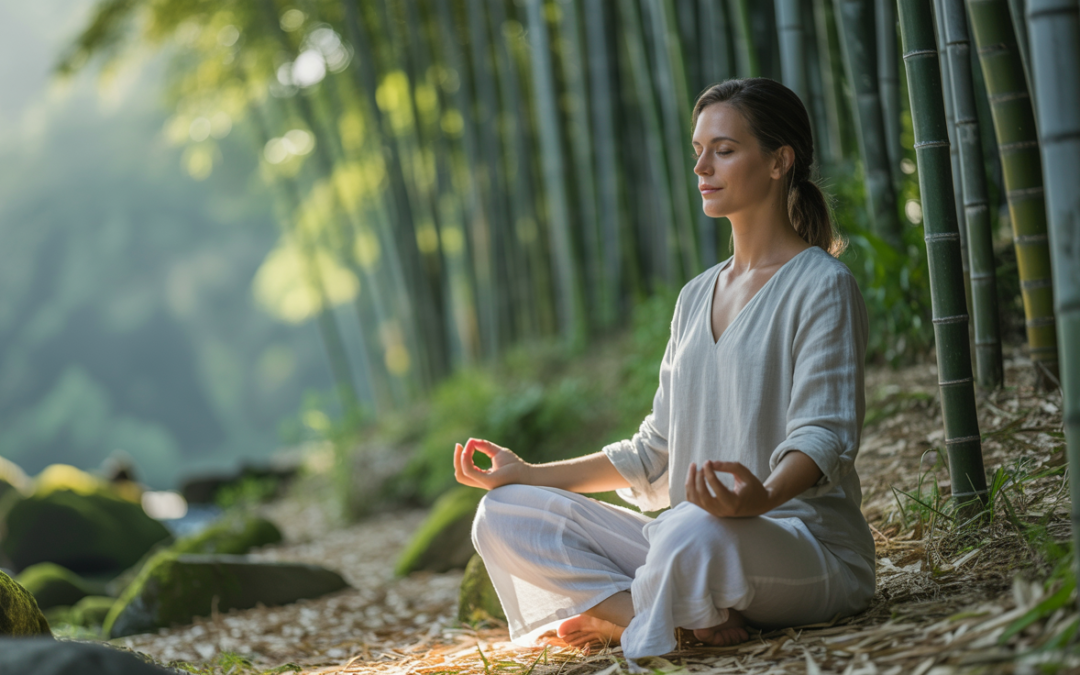
A steady and comfortable posture is fundamental for effective meditation techniques. The Gita suggests sitting in a way that keeps the body alert but relaxed. Traditionally, this means a cross-legged pose on the floor. Beginners or those unfamiliar with yoga can use a chair with feet flat on the ground. Shoulders should be relaxed, the spine erect, and eyes gently closed. A proper posture helps the mind settle naturally and supports stillness.
Focused Breathing
Breath awareness is central to the meditation techniques described in the Gita. Controlling the breath calms the mind and anchors it in the present moment. Beginners can try inhaling slowly, holding briefly, and exhaling fully. Paying attention to the breath reduces stress, clears mental clutter, and deepens focus. Observing the breath helps withdraw the mind from distractions and creates inner stillness.
Visualisation and Mental Focus
The Gita emphasises concentrating the mind on a single point. This could be a mantra, a mental image, or the inner light of consciousness. Visualising a warm light in the heart expanding with each breath works well. Repeating a sacred word such as “Om” or “Krishna” also maintains focus. The aim is not to force thoughts away but to gently guide the mind back when it drifts. Over time, this practice cultivates calmness and clarity.
Practising Detachment
Detachment is a unique aspect of the Gita’s meditation techniques. Thoughts should be observed without clinging to them. Plans, worries, and distractions should be acknowledged and released, like clouds drifting across the sky. Practising non-attachment encourages emotional balance and resilience. Meditation becomes a training ground for mental clarity and spiritual insight. It helps navigate both calm and challenging moments with equanimity.
Consistency and Daily Practice
Consistency is key to the success of meditation techniques. The Gita encourages discipline and moderation in all areas of life. Even short daily sessions are more valuable than occasional long ones. Start with five to ten minutes and gradually increase the duration. Daily practice strengthens the mind, calms emotions, and enhances connection with the inner self. Over time, the benefits build up, transforming thought, behaviour, and overall well-being.
Conclusion on Meditation Techniques
The meditation techniques from the Bhagavad Gita provide timeless guidance for mental, emotional, and spiritual well-being. Practising proper posture, controlled breathing, mental focus, detachment, and consistency helps anyone experience the benefits of meditation. Whether new to meditation in Europe or an experienced practitioner, these teachings remain relevant. They guide us toward clarity, calmness, and a deeper connection with ourselves and the world around us.